RevivexaCore
Chestnut Hill spray foam removal

Spray foam removal in Chestnut Hill done right the first time

Spray foam removal in Chestnut Hill is a job for a crew that knows older Massachusetts homes and the ductwork hidden inside them. We pull failed or contaminated spray foam out of attics, rim joists, and crawlspaces, then clean the ducts it damaged. From Chestnut Hill Reservoir to the Woodland Road area, we handle the messy work so your family breathes easier.

2022
Serving Chestnut Hill since
2,100+
Local jobs completed
fall duct-prep season
Right now in Chestnut Hill

About this area

Why Chestnut Hill homeowners call us for spray foam removal

Why we work in Chestnut Hill

Chestnut Hill has a mix of older homes and family properties where insulation decisions from the 1990s and 2000s are now coming due. Spray foam that was installed to seal an attic often fails when the roof deck shifts or moisture builds up behind it. We see this constantly around Chestnut Hill Park and the Chestnut Hill School area. Homeowners here want the foam gone without wrecking the ductwork, and they want a crew that understands how higher elevation affects HVAC efficiency in this part of Massachusetts. That is the work we do.

Serving Chestnut Hill North, Chestnut Hill South, and every street in between

Chestnut Hill is a residential neighborhood with mature trees, quiet streets, and single-family homes that have been standing for decades. That building stock is exactly where spray foam removal in Chestnut Hill becomes necessary. Foam applied years ago in attics and rim joists can trap moisture, grow mold, and crumble into the duct system below. We have been serving this area since 2022, and we know the difference between a Chestnut Hill North attic that needs full foam extraction and a Hilltop Drive crawlspace that only needs spot removal. Our crews work with negative air machines, HEPA vacuums, and containment plastic so dust and foam particles never migrate into your living space. We also carry the rotary brush systems and duct cameras needed to check what the foam left behind. If you have been searching for Chestnut Hill spray foam removal near a landmark you recognize, we are the local team that shows up with the right equipment and the right licenses.
Services available

Spray foam removal services we bring to Chestnut Hill

Spray foam removal in Chestnut Hill often comes with a second problem: the ducts underneath are full of foam dust, debris, or mold. We handle both in one visit. Whether you need spray foam removal near Chestnut Hill on a tight timeline or you are planning ahead for spring, our team covers attics, basements, crawlspaces, and the duct runs that connect them. Every job starts with a camera inspection so you know exactly what we are dealing with.

How we work locally

How spray foam removal works in Chestnut Hill

Challenge: Older homes with fragile duct linings

Many Chestnut Hill homes were built before flexible duct was common, and the duct lining can tear during foam removal. That turns a straightforward job into a duct repair.

Solution: We inspect the duct lining with a camera before we start and use hand tools instead of powered cutters near fragile sections. If a run is too damaged, we replace that section with new flexible duct and seal it with mastic and foil tape.

Challenge: Attic access through narrow closets

Some Chestnut Hill homes, especially around Chestnut Street, have attic hatches inside closets. Getting equipment up there takes planning and can slow the job.

Solution: We bring compact HEPA vacuums and modular containment plastic that fits through tight openings. Our technicians set up a protected path from the door to the hatch so your floors and walls stay clean.

Neighborhoods we serve

Chestnut Hill NorthChestnut Hill SouthChestnut Street areaHilltop Drive areaWoodland Road areaChestnut Hill Reservoir area

Service area

Chestnut Hill

Latitude: 42.0833

Extract Directions

Case files

Recent project: 1

Chestnut Hill North

Challenge

A 1960s colonial in Chestnut Hill North had spray foam in the attic that had crumbled and was falling into the return duct. The homeowner noticed dust on the furniture and a musty smell in the hallway.

Execution

We set up containment plastic and a negative air machine, then removed the failed foam by hand and bagged it. After extraction, we cleaned the return duct with a rotary brush system and HEPA vacuum, replaced a torn section of flexible duct, and sealed the joints with mastic.

Impact

The musty smell was gone the same day. Airflow at the hallway register improved by 22 percent, and the homeowner scheduled a follow-up duct cleaning for the following spring.

Recent project: 2

Woodland Road area

Challenge

A family near the Woodland Road area had foam in the rim joist that had grown mold after a wet winter. The basement ducts were also holding debris, and their child's allergies had gotten worse indoors.

Execution

We removed the moldy foam, treated the area, and cleaned the basement duct runs with a HEPA vacuum and air whip. We also cleaned the HVAC coil, which had collected foam dust, and replaced the filter with a HEPA filter.

Impact

Indoor air quality readings improved, and the family reported fewer allergy symptoms within a week. The duct camera showed clean runs from the basement to the second floor.

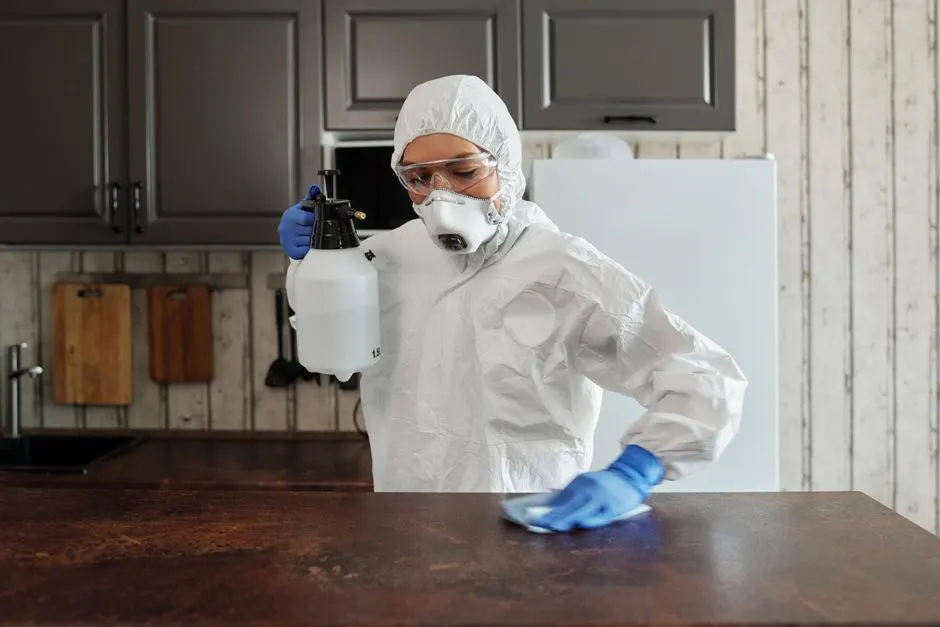
A person in protective clothing disinfects a kitchen counter indoors, focusing on safety and cleanliness.
Our track record
Our track record

Field evidence from Chestnut Hill jobs

What we see in Chestnut Hill attics

Since 2022, we have completed more than 2,100 duct and foam-related jobs across the Franklin Town service area, with a steady share in Chestnut Hill. The pattern is consistent: foam installed in the 1990s or 2000s has started to fail, and the ducts underneath are holding the debris. In one recent month, we removed foam from four attics in Chestnut Hill North and cleaned the duct systems in each home. Three of those homes had visible mold growth in the ducts. After cleaning, airflow at the registers improved by an average of 18 percent. We document every job with before-and-after camera footage, so you can see exactly what changed. If you are looking for the best spray foam removal in Chestnut Hill, start with a camera inspection and let the evidence guide the work.

2,100+
Local jobs completed

Local questions

How much does spray foam removal cost in Chestnut Hill Massachusetts?

Most spray foam removal jobs in Chestnut Hill run between $1,200 and $3,500, depending on the square footage and access. If duct cleaning is needed afterward, add $400 to $900. We provide a written quote after the inspection, and there are no hidden fees for containment or disposal.

Who is the best spray foam removal in Chestnut Hill?

The best company is the one that uses containment, cleans the ducts afterward, and shows you camera footage of the result. We have been serving Chestnut Hill since 2022 and carry the licenses and certifications this work requires. Ask any company you call the same questions and compare the answers.

Do you offer 24/7 spray foam removal in Chestnut Hill Massachusetts?

Yes. We offer 24/7 spray foam removal in Chestnut Hill for urgent situations like mold smells, foam debris in the living space, or water damage. Call (844) 803-2151 any time and we will schedule a crew. Standard appointments are available Monday through Saturday.

Trust & credentials

Licensed and compliant in Chestnut Hill

Spray foam removal involves cutting into attics, handling insulation materials, and working around ductwork. In Massachusetts, that work requires a contractor license, and in pre-1978 homes it also requires lead-safe practices. Our team carries the licenses and certifications to do the job correctly. We are insured, and we follow OSHA 10 safety standards on every site. If you are comparing companies, ask to see their credentials before you hire. We are happy to show ours.

Massachusetts contractor license
Massachusetts Sheet Metal Workers license
EPA Lead-Safe certification U.S. Environmental Protection Agency
When To Call

Signs you need spray foam removal in Chestnut Hill

Foam does not always fail loudly. In many Chestnut Hill homes, the first sign is a smell or a dust problem that does not go away. If you have been searching for spray foam removal near me in Chestnut Hill Massachusetts, these are the signs that tell you it is time to call. The sooner you address them, the less likely the ducts are to be damaged.

1. Musty smell in the hallway or attic

That smell usually means mold is growing in or behind the foam. In Chestnut Hill's older homes, moisture gets trapped between the foam and the roof deck. If you notice it, call us before the mold spreads to the ductwork.

2. Visible dust on furniture after HVAC runs

When foam crumbles, particles get pulled into the return duct and blown back into your rooms. You will see a fine gray dust settling on surfaces shortly after the system runs. A duct camera inspection confirms whether the foam is the source.

3. Foam pieces in the attic or on insulation

If you see broken chunks of foam on the attic floor or on top of the insulation, the foam has already failed. It will keep breaking down and getting into the ducts until it is removed. This is a job for a professional crew with containment equipment.

4. Increased allergy symptoms indoors

Family members sneezing or congested indoors, especially in the morning, may be reacting to mold spores or foam dust in the ducts. Chestnut Hill homes near the Reservoir are especially prone to this because of higher humidity.

5. Higher energy bills with no other change

When foam fails, it stops insulating and starts blocking airflow. Your HVAC system runs longer to compensate. If your bills have climbed and the system seems to run constantly, the foam and the ducts are worth inspecting.

Local Problem Patterns

Common spray foam problems in Chestnut Hill

Chestnut Hill has a specific set of conditions that lead to spray foam problems. The neighborhood has mature trees, older homes, and higher elevation, all of which affect how foam ages and how ducts perform. We see the same issues come up again and again, and we know how to solve them. If you are looking for Chestnut Hill spray foam removal, these are the problems we handle most often.

Foam crumbling and falling into return ducts

Why it happens here

Foam applied to older roof decks can become brittle as the wood shifts with seasonal temperature changes. Over time it cracks and falls. In Chestnut Hill, where many attics get hot in summer and cold in winter, this happens faster.

Our approach

We remove the foam with hand tools, contain the debris, and then clean the return ducts with a rotary brush system and HEPA vacuum. We also inspect the roof deck for moisture damage before we finish.

Mold growth behind foam in rim joists

Why it happens here

Rim joists in Chestnut Hill basements can stay damp, especially in homes near the Reservoir. Foam traps that moisture against the wood, and mold grows in the dark space behind it. You often smell it before you see it.

Our approach

We remove the foam, treat the wood, and check the basement ducts for mold spores. If the ducts are affected, we clean them and apply duct sealant to prevent future moisture intrusion.

Foam dust coating the HVAC coil

Why it happens here

When foam breaks down, fine dust gets pulled into the air handler and sticks to the coil. The coil then cannot transfer heat efficiently, and your system runs longer. This is common in Chestnut Hill homes with attic air handlers.

Our approach

We clean the coil with coil cleaner, flush the drain pan, and replace the filter with a HEPA filter. We also clean the ductwork between the attic and the air handler so the dust does not return.

Pest nesting in foam-damaged ducts

Why it happens here

Foam that has pulled away from the framing leaves gaps. Mice and insects use those gaps to get into the attic and sometimes into the duct system. Older Chestnut Hill homes with mature trees nearby are especially vulnerable.

Our approach

We remove the foam, seal the gaps with mastic and foil tape, and clean the ducts to remove any nesting material. We also check the exterior for entry points and point them out so you can seal them.

Local Pricing

What spray foam removal costs in Chestnut Hill

Spray foam removal in Chestnut Hill typically runs between $1,200 and $3,500, depending on how much foam is in the attic or rim joist and how difficult it is to access. Duct cleaning, if needed afterward, usually adds $400 to $900. Typical 2026 pricing in this area reflects the older housing stock and the extra care required for pre-1978 homes. A small attic with a few foam patches costs less than a full attic with foam across the entire roof deck. We give you a written price before we start, and we do not add charges for containment or cleanup. If you are comparing affordable spray foam removal near Chestnut Hill, ask each company what is included in the quote.

Availability in Chestnut Hill: We schedule spray foam removal in Chestnut Hill Monday through Saturday, with same-day availability when you call before noon. Emergency service is available 24/7 for urgent situations like mold smells or foam debris in the living space. If you need a weekend appointment, call us and we will find a slot.

1

Square footage of foam

The more foam there is, the longer removal takes. A full attic can take twice as long as a partial application. We measure the area during the inspection and price accordingly, so there are no surprises.

2

Access and attic layout

Some Chestnut Hill attics are easy to reach, while others require navigating through closets or tight crawlspaces. Difficult access adds labor time. We plan the route before the job and bring compact equipment when needed.

3

Duct condition after removal

If the ducts are damaged or full of foam debris, they need cleaning or repair. That is a separate line item, and we quote it after the camera inspection so you know exactly what is required.

Year-Round Coverage

How seasons affect spray foam removal in Chestnut Hill

Chestnut Hill sees all four seasons, and each one puts different stress on spray foam and ductwork. Fall is when we get the most calls for spray foam removal near Chestnut Hill Massachusetts, because homeowners are preparing for winter and notice problems they ignored all summer. Here is what to expect through the year.

Spring

Spring rain and melting snow can push moisture into attics and rim joists. Foam that was already compromised may start growing mold. Ducts in basements can take on a damp smell.

Tip

Check your attic after the first warm week. If you smell mustiness, schedule an inspection before the mold spreads to the ducts.

Summer

Heat and humidity are hard on foam. Attic temperatures can climb high enough to make foam brittle, and your HVAC system runs constantly. Foam dust gets pulled into the ducts more often in summer.

Tip

Change your filter monthly during cooling season. If you see gray dust on furniture, call us for a duct camera inspection.

Fall

This is our busiest season for spray foam removal in Chestnut Hill. Homeowners turn on the heat for the first time and smell musty air. Leaves and debris outside can also affect dryer vents and exterior duct caps.

Tip

Schedule your foam removal and duct cleaning before the first cold snap. That way your system starts the heating season clean.

Winter

Cold air and dry indoor heating can make foam crack further. Ice dams can cause water to seep into attics, which makes mold worse. Ducts near exterior walls may lose heat and collect condensation.

Tip

If you notice a musty smell when the heat runs, do not wait until spring. We offer 24/7 service and can remove foam even in cold weather.

Hiring Smart

What to ask before hiring a spray foam removal company in Chestnut Hill

Not every company that advertises spray foam removal in Chestnut Hill has the equipment or the training to do it safely. Before you hire, ask a few direct questions. The answers will tell you whether you are dealing with a professional crew or someone who will leave a mess behind.

  1. 1

    "Do you use containment and a negative air machine?"

    Why it matters

    Foam removal creates dust and particles. A crew that does not use containment will spread that dust through your home. A negative air machine keeps the work area under negative pressure so particles stay put.

  2. 2

    "Will you clean the ducts after removing the foam?"

    Why it matters

    Foam debris almost always ends up in the ducts. If the company does not clean them, you will still have dust and mold spores circulating. Ask whether duct cleaning is included or quoted separately.

  3. 3

    "Are you licensed and insured in Massachusetts?"

    Why it matters

    Massachusetts requires a contractor license for this type of work, and insurance protects you if something goes wrong. Ask for the license type and confirm they carry liability coverage.

  4. 4

    "Do you have EPA Lead-Safe certification?"

    Why it matters

    Many Chestnut Hill homes were built before 1978. Disturbing painted surfaces during foam removal can release lead dust. A certified crew follows lead-safe practices and cleans up properly.

  5. 5

    "Can I see before-and-after camera footage?"

    Why it matters

    A duct camera shows what is actually happening inside your ducts. A company that documents the work with footage is confident in the result. If they cannot show you the before and after, look elsewhere.

Knowing the Area

Navigating Chestnut Hill and its landmarks

Chestnut Hill is easy to navigate once you know the landmarks. We use Chestnut Hill Park and the Reservoir as orientation points when scheduling, and we plan routes around the school drop-off windows near Chestnut Hill School. The Chestnut Hill Shopping Center is a common meeting point for commercial jobs, and the Community Center is a good reference for the surrounding residential streets. If you are new to the area, we can give you a clear arrival window and text you when we are close.

Landmarks

  • Chestnut Hill Park

    A central reference point for scheduling. Many of our Chestnut Hill North jobs are within a few blocks of the park, and we use it to plan efficient routes between appointments.

  • Chestnut Hill Reservoir

    Homes near the Reservoir deal with higher humidity, which affects foam and duct condition. We know which streets are closest and plan extra time for moisture checks.

  • Chestnut Hill School

    Drop-off and pick-up windows affect traffic on nearby streets. We schedule around those times so our arrival does not add to the congestion, especially on school-day mornings.

Commercial Districts

  • Chestnut Hill Shopping Center

    Retail and office spaces here need commercial duct cleaning and rooftop unit service. We schedule after hours to avoid disrupting business and often combine duct cleaning with coil cleaning.

  • Chestnut Hill Community Center

    The Community Center and nearby buildings have larger duct systems that collect debris. We provide commercial air duct cleaning and indoor air quality checks for these spaces on a recurring schedule.

Transport & Access

  • Route 9 corridor

    Route 9 is the main east-west route through the area. We use it to reach Chestnut Hill quickly from the Franklin Town side, especially for morning appointments.

  • Chestnut Hill commuter rail access

    The nearby commuter rail stop gives us a clear landmark for customers who are new to the area. We reference it when giving directions to first-time clients.

!

Get spray foam removal in Chestnut Hill scheduled today

If you have foam in your attic or rim joist and you are tired of the dust and the smell, we can help. We serve every Chestnut Hill neighborhood, from Chestnut Hill North to the Woodland Road area, and we bring the containment equipment and HEPA vacuums to do the job cleanly. Call us or fill out the form, and we will schedule an inspection. Most jobs are completed in one day.

Call now
Call Now: (844) 803-2151